TMSFA at Northern Connections 2026
Musings from TMSFA Co-founder, Joela Matthews
Northern connections is a meeting for which southerners are always keen to justify their attendance as its offerings are unique to the MS meeting and learning space. I have been lucky to attend on a few occasions by promoting the value of networking, learning from others and offering to help.
This year was no exception in the calibre of speakers. If you have followed the journey of the neuropharmacist network, you may be aware that zebra fish have a special place there (ask me about it sometime), so I was delighted to hear about their role in myelin damage research by the Edinburgh team. Prof Lyons explained the mechanism of demyelination, without being an expert I was able to understand and am intrigued by how long it will take us to move from these research discoveries to drug targets or maybe even biomarkers.
The 2024 new diagnostic criteria were discussed by Prof Bharkhof who, Eurovision style, dialled in from Amsterdam and the role of the MRI and neuroradiologist was highlighted. This also came up later in the day when, an audit by the Northern Ireland team demonstrated that non-specialist MRI reporting is less than ideal. Something we all knew, but the data prompted many attendees to reflect on their own pathways for obtaining specialist input into MRI scans.
Prof Macleod presented about how the misuse of data and research can lead to research quality issues. This is not just from people “making up” results but the many forms of bias. Work presented by Dr Brittain from Sheffield, covered studies into aHSCT being carried out as a day case followed by home based support, an interesting way to deal with capacity issues presenting themselves when patients need to stay in hospital for a month. Will this come to the NHS to improve capacity and inequality of access, who knows?
The impact of the female lifecycle on MS was discussed, covering menopause and menarche. Ongoing studies, audit and case reviews remain important as most MS patients are female. A figure that remains with me is ‘at any point of time, two thirds of a caseload are in peri-menopause or menopause years’. That is a lot of patients we can help by increasing our knowledge on the topic. For example, we should all be aware that HRT, bone health and other menopause symptom control measures do not influence MS and should be used as in the general population.
Prof Hunt presented his teams work on EBV and MS, the implication of which is far reaching, leaving us to ponder when (and not if) we get a vaccine for EBV who should we vaccinate? The day ended with Karen Chung, the southerner victim trained for the event, debating James McDonald on whether we should screen pre-symptomatic first degree relatives of PLwMS. Karen opposed the motion and did so with entertainment and learning for all. With EBV vaccines round the corner, will the sentiment change over time? If so, how will we manage capacity? Maybe it isn’t the MS team that need to do the screening, there are others that can help, such as public health teams, primary care, community pharmacists, all of whom are involved in other screening initiatives. Is it the time to not think outside the box but make the box bigger.
On my train journey post northern connections, I was reflecting on what makes it such a great meeting:
- Yes, it’s the organisation by Sian
- Yes, it’s the great agenda and learnings which I am sure the faculty of Martin Duddy, Stella Hughes and Siddharthan Chandran influence
- Yes, it’s the reputation which means the delegates and speakers return
…but it is also the things we don’t think about:
- The venue at RCP Scotland, a building that feels historic
- The food! I am big believer that food bring people together, and out of all the educational events that occur across the year – northern connections wins the prize for good food hands down. Thank you to Sian, Amelie and Kirsty for everything you do behind the scenes to make the event run so smoothly
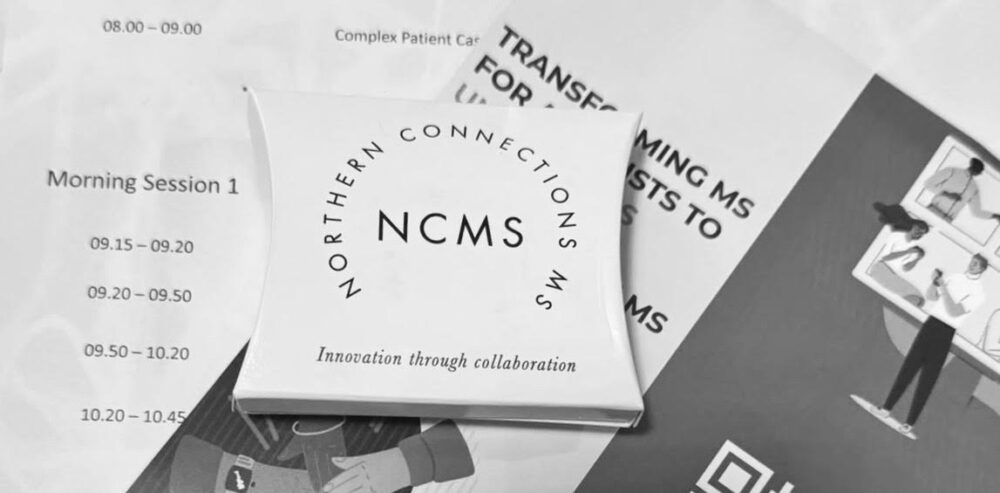
- The treats on the table! Arriving at the room for the day, there were secret boxes on the table, were they colouring pencils? were they mints? no even better they were haribo. It didn’t take long for these to be opened and demolished on nearly every table. I had started the day thinking I will save those for later.. that didn’t last, they were gone by lunchtime!
AI tells me that people from the north of England are “warm, unpretentious, and fiercely community-oriented”. Northern connections embody all these traits. This was seen in the breakfast case study session, where the hive mind come together to solve diagnostic / treatment / service quandaries. All while supporting the team treating the patient. Maybe the whole country needs to embrace that we are all a little bit “northern” and make more “connections”.
Get in touch
Contact information
If you would like to learn more about getting involved in the TMSFA Community or you would like to chat with our operational team, please complete the form here and we will be in touch.